
Think of a time when you engaged in an activity purely because you wanted to—perhaps weeding a garden, diving into a favorite book, taking an evening walk, or rearranging a room. Your drive arose entirely from within. In those moments, you likely felt genuine satisfaction, a sense of quiet focus, and deep personal meaning.
This is the power of intrinsic motivation: engaging in a behavior because it is personally rewarding, rather than seeking an external reward or attempting to avoid punishment.
Now, contrast that with times you felt forced to do those same activities—reading a book for a mandatory group, walking to satisfy a work tracking app, or cleaning under strict pressure. When driven by external factors, the internal satisfaction vanishes.
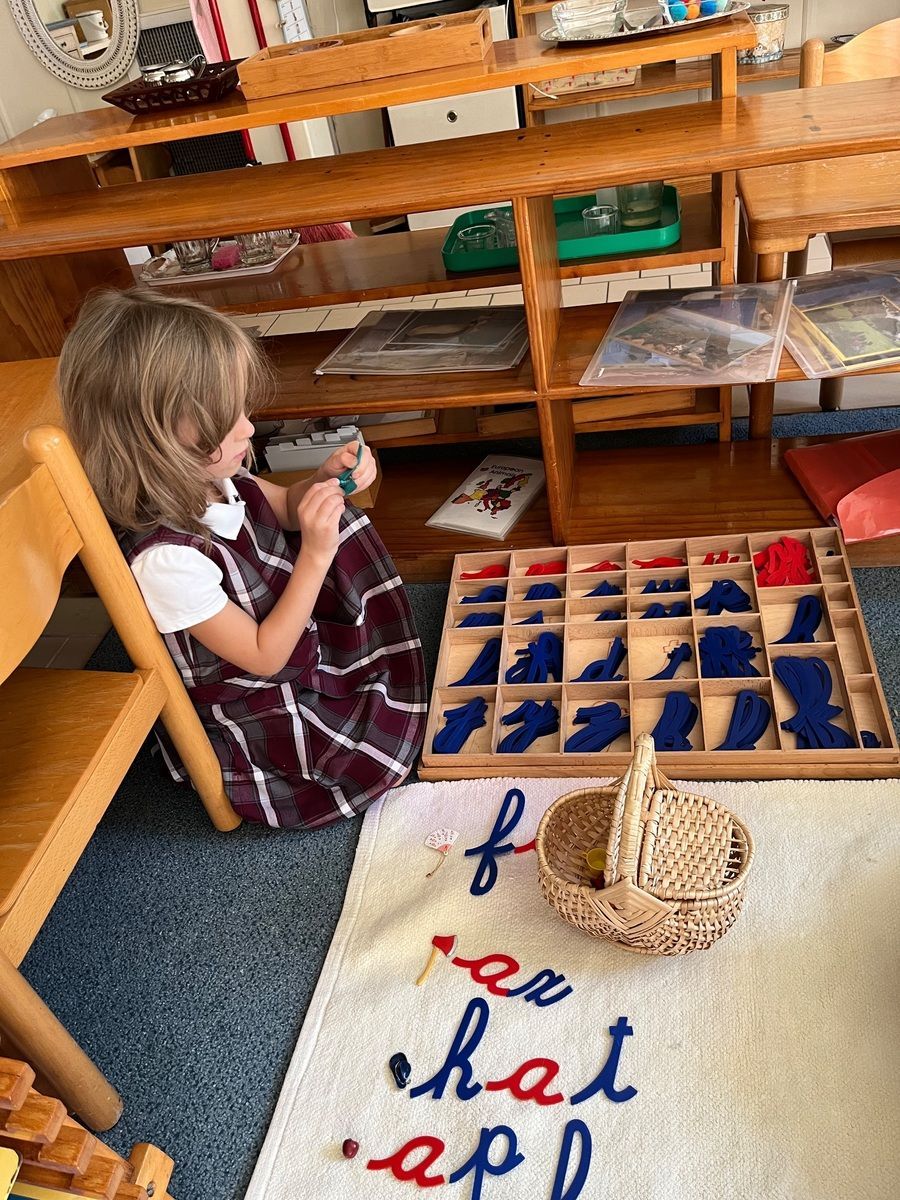
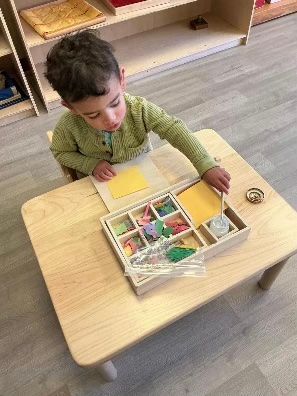
At MANJ, we protect and nurture the child’s natural, internal drive to learn.
Why Intrinsic Motivation Matters
When children are guided by internal motivation rather than external pressures, they develop three foundational capacities that carry them through life:
- Autonomy: The confidence to initiate tasks and think independently.
- Purpose: The understanding that their efforts have intrinsic value and real-world impact.
- Mastery: The deep satisfaction that comes from practicing a skill until it is understood.
Rather than relying on sticker charts, grades, or reprimands, our prepared environments invite children to connect with their own internal compass. This builds emotional intelligence, self-reliance, and a resilient growth mindset.
Children who possess a growth mindset view mistakes not as failures, but as essential steps in learning. Psychologists often call this cognitive hardiness—the inner drive to try again, embrace challenges, and adapt when facing difficulty.
The Hidden Impact of Extrinsic Rewards
Extrinsic motivators are everywhere in traditional settings, ranging from grades and gold stars to offhand praise like "Good job!" While these tactics may yield quick compliance, research shows they fail to build long-term character and can actually diminish a child's natural curiosity.
As author Alfie Kohn notes in Punished by Rewards, incentives often turn meaningful activities into a simple transaction. The task becomes merely a means to get a prize or approval.
- Uncertainty: Educational researcher Mary Budd Rowe found that heavily praised students were often less sure of their answers, quicker to back down when an adult disagreed, and less persistent on difficult tasks.
- Decreased Generosity: Research by Joan Grusec revealed that young children who were frequently praised for sharing actually exhibited less spontaneous generosity over time compared to peers who were not praised.
When we constantly step in with external validation, we inadvertently train children to look outside themselves for approval, robbing them of the quiet pride that comes from a job well done.
A Foundation for Life
When children are intrinsically motivated, they act thoughtfully because it is right, fulfilling, and satisfying to them. They build authentic self-worth that is not easily shaken by setbacks.
The Lifelong Benefits of Intrinsic Motivation:
- Sustained Perseverance: The inner drive to keep trying on tough tasks without needing adult coercion.
- Authentic Self-Esteem: Confidence rooted in real competence rather than superficial praise.
- Internal Moral Compass: Doing the right thing because it respects the community, not to avoid getting caught.
Experience our Montessori classrooms in action.
We invite you to visit Montessori Academy of New Jersey to see how our prepared environments nurture independent, self-motivated learners every day.
Schedule your visit today!