“The mind takes some time to develop interest, to be set in motion, to get warmed up into a subject, to attain a state of profitable work. If at this time there is interruption, not only is a period of profitable work lost, but the interruption produces an unpleasant sensation which is identical to fatigue.”
— Dr. Maria Montessori, What You Should Know About Your Child
Consider, as an adult, what it takes for you to do your best work. What must your environment look like? What do you need from others? What constraints do you need removed in order to reach a state of flow?
When Dr. Montessori spent years observing children, she recognized that immense, transformative learning takes place during self-directed play—making it truly reasonable to call it the child’s work. Left without unnecessary interruptions, she witnessed something extraordinary: children, even very young ones, possess a profound capacity for intense concentration.
They have an innate desire to work through problems and find solutions on their own—not because of external pressure or rewards, but out of pure internal satisfaction.
What we realize in Montessori education is that adults often just need to get out of the child's way. We tend to imagine children require more intervention than they actually do, or that they need external incentives to learn. In reality, what children need is time, respect, and a prepared environment in which they can focus deeply.
This is why the uninterrupted 3-hour work period is a cornerstone of daily life at MANJ.
How the Morning Begins
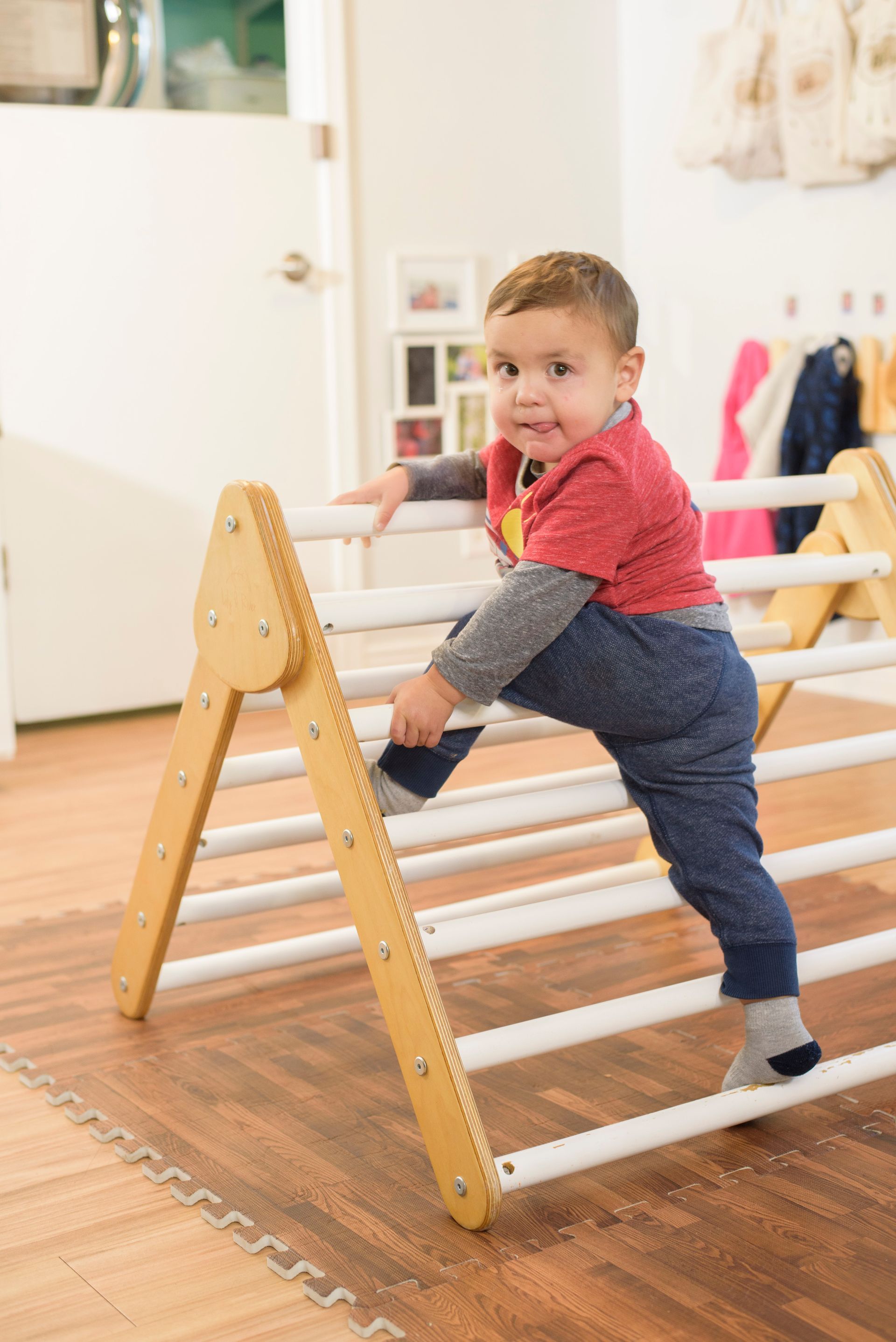
The morning work cycle begins smoothly as children arrive. In Primary classrooms (ages 3–6), a typical morning starts with a child hanging their coat on a low hook, changing into indoor shoes, and greeting their guide. Some children take a moment to transition, while others head straight to a shelf to choose a material they have been thinking about since the day before.
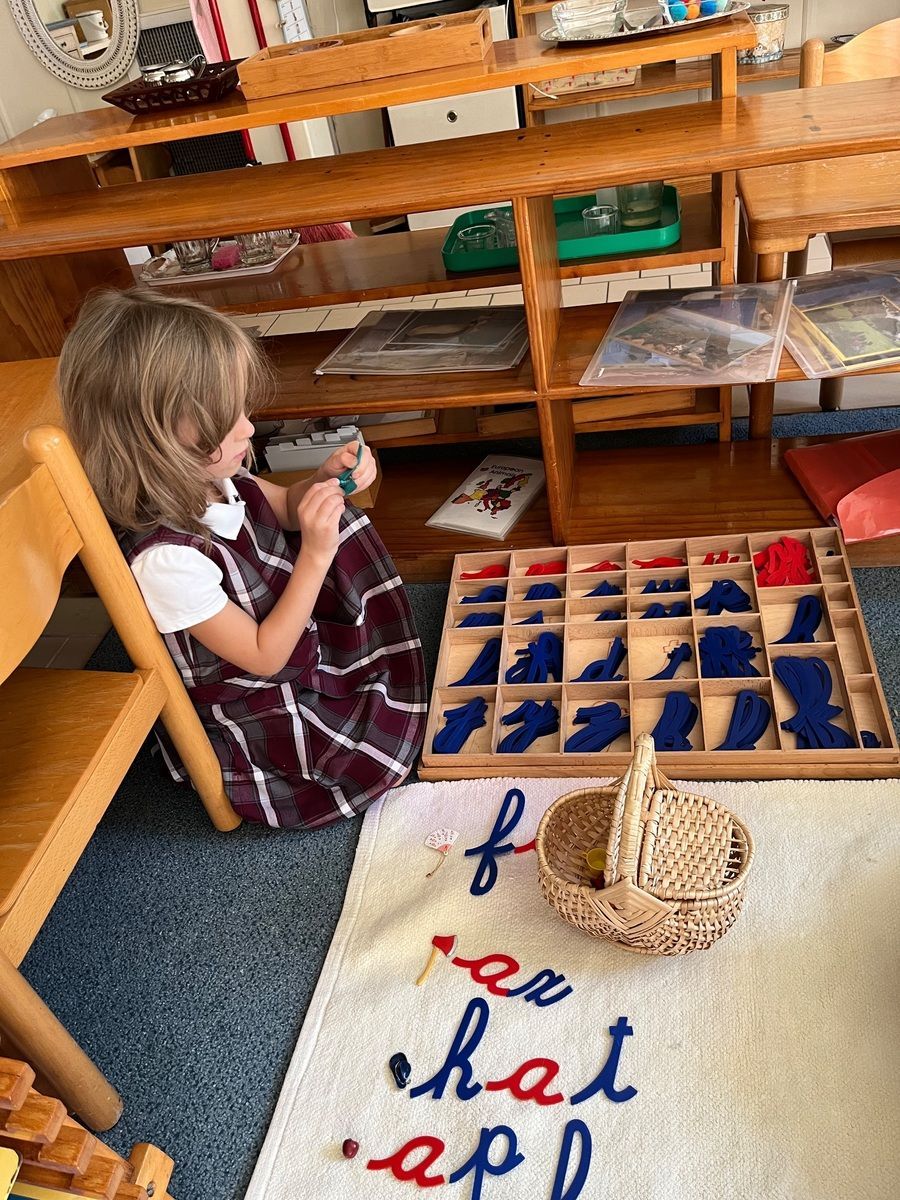
Children under six largely work independently alongside their peers. A child might lay out a work rug, set up a material, and enter a state of deep focus—using the work as presented, then carefully cleaning up and returning it to the shelf when finished.
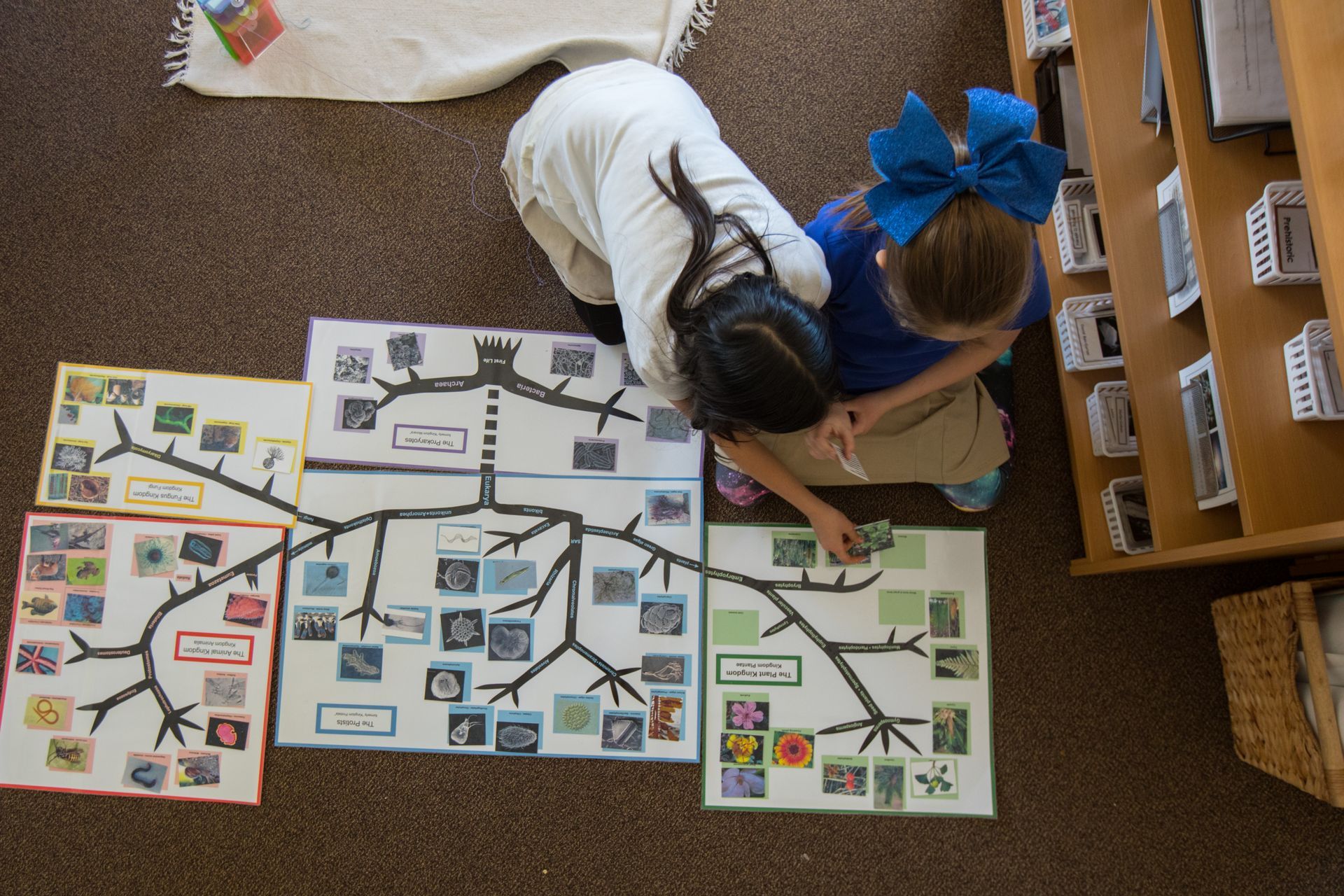
In our Elementary communities (ages 6+), development shifts toward social connection. The start of the day is often livelier as students collaborate, plan joint projects, and dive into partner work.
The Uninterrupted Work Period Flow
1. Arrival & Transition
The child arrives, hangs their belongings on a low hook, changes into indoor shoes, and greets their guide.
2. Independent Selection
- Primary (Ages 3–6): Individual focus and material selection from the prepared shelves.
- Elementary (Ages 6+): Collaborative planning and partner work.
3. Deep Concentration State
The child sets up their work rug or table area and enters a period of focused engagement with the self-correcting materials.
4. Rest, Snack, & Lessons as Needed
The child self-regulates their personal needs by taking movement breaks, enjoying a self-serve snack, or participating in a small-group or individual lesson given unobtrusively by the guide.
5. Restoration of Work
The child completes the cycle by carefully cleaning up, returning materials to their proper place on the shelf, and preparing the space for the next person.
The Role of the Adults
A Montessori environment is carefully supported by a trained Lead Guide and a Classroom Assistant working in quiet harmony:
- The Assistant maintains the order and harmony of the environment, ensuring materials are complete and accessible. If a child needs gentle redirection, the assistant offers support while preserving the child's independence.
- The Guide focuses primarily on two essential practices: observation and individualized lessons.
Lessons are rarely given to the whole group at once. Instead, the guide introduces new concepts to individual children or small groups based on readiness. To avoid interrupting a child who is deeply engaged, guides use quiet, non-verbal cues—such as leaving a personalized name tag beside a student—signaling them to check in once they finish their current task.
Navigating Energy: Breaks & "False Fatigue"
Do children focus for three straight hours? Of course not—nor do we expect them to.
Our environments are designed so children can meet their own human needs independently. If a student feels hungry, they visit the self-serve snack table. If they need to stretch, use the restroom, or look out the window, they do so without needing to ask permission. Respecting these natural movement breaks builds sustained focus over time.
Around mid-morning (often between 10:00 and 10:30 AM), Montessori classrooms frequently experience a phenomenon known as false fatigue:
- Classroom noise naturally lifts.
- Engagement with materials momentarily dips.
- Children may wander or chat with peers.
While the natural adult instinct might be to ring a bell or demand attention, our trained staff hold back. False fatigue is simply a natural ebb in the morning flow. When given two or three minutes of quiet trust, the children naturally settle back down, diving into even deeper, more complex work for the remainder of the cycle.
Honor, Trust, and Independence
The 3-hour work cycle is ultimately a practice of trust. It honors the child's internal rhythm, balancing rigorous academic learning with personal self-regulation on their own timetable. When we show children that we trust their capacity to manage their work and time, they rise to the occasion every day.
Experience the quiet magic of a Montessori morning.
We welcome current and prospective families to observe our prepared environments in action.
Schedule your campus visit!