A familiar scenario: your child comes home from school, and you eagerly ask how their day went and what they did. While some children will happily relay the day’s events, many shrug and give a quiet "Good" without offering further details.
Don’t worry—this is completely normal and often related to late-afternoon fatigue. Giving your child space to decompress and asking open-ended questions at dinner often yields much richer conversations.
Did you know that you can learn a tremendous amount about your child’s daily experience without them saying a single word? School should be a place that sparks wonder and curiosity—not a routine that must simply be endured.
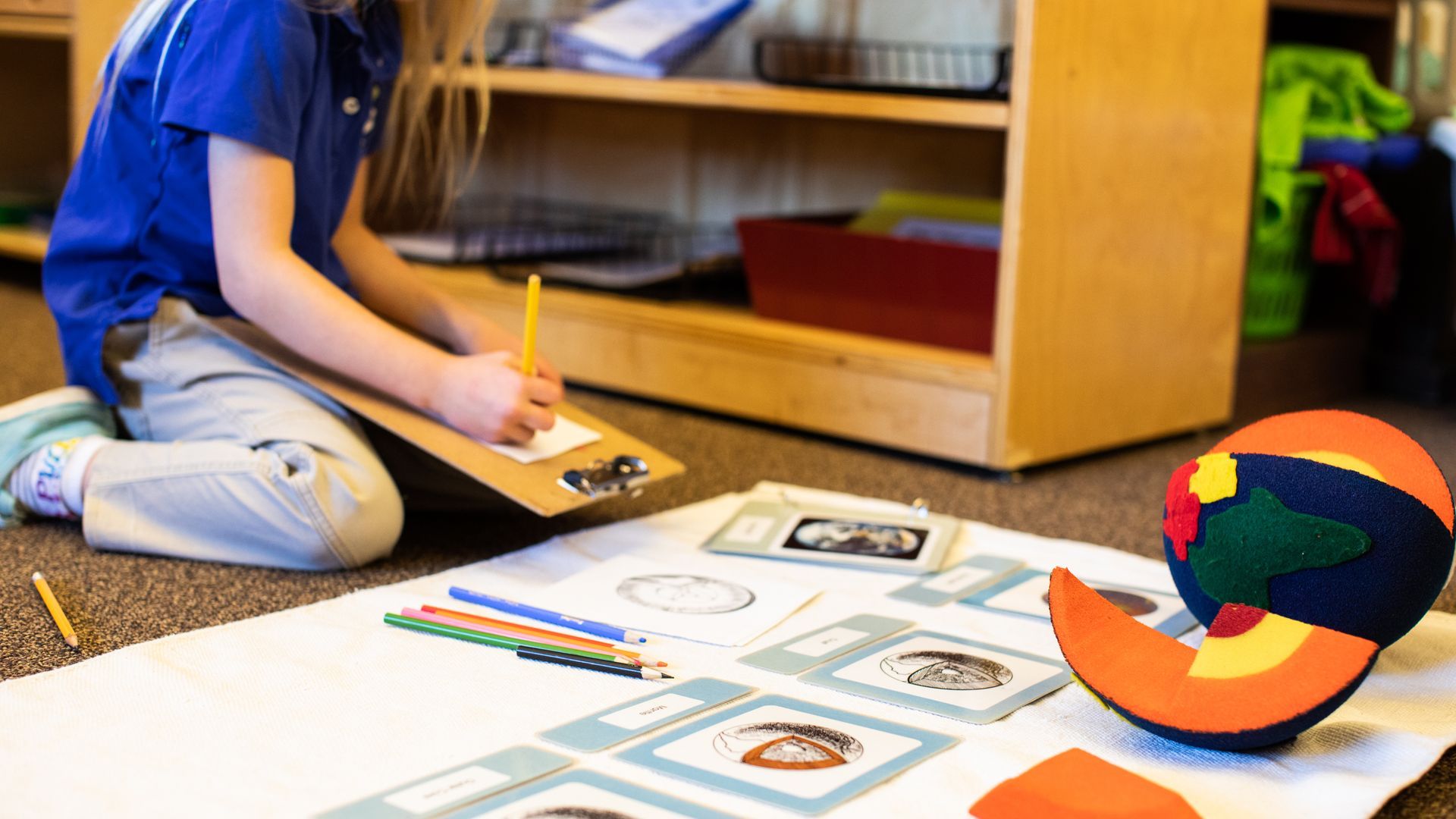
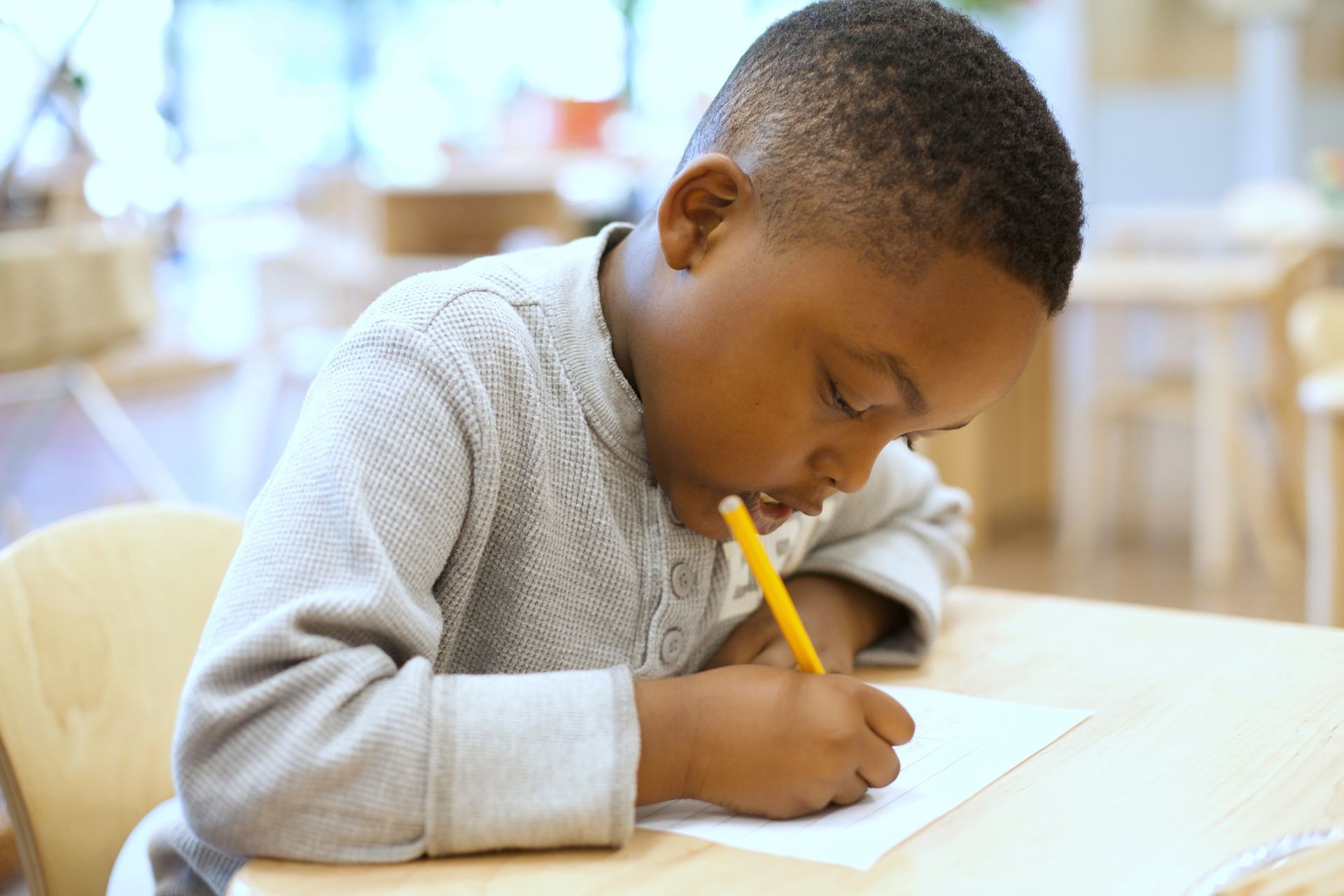
What an Engaged Child Looks Like
When a child is in an environment that honors their internal rhythm and natural curiosity, their engagement shows up in everyday moments:
- Making Connections Beyond the Classroom: They relate their learning to daily life. As you prepare lunch on a Saturday, they might tell you about a practical life food preparation lesson, or they might share unexpected background knowledge while watching a nature documentary. Making connections is a clear sign of deep understanding.
- Sharing Spontaneous Knowledge: They blurt out interesting bits of discovery: "Did you know that if our intestines weren't all folded up, they would be as long as a baby blue whale?!" These moments show that children are reflecting on their learning long after the lesson ends.
- Excitement at Drop-Off: They surprise you at the car line—jumping out eagerly, ready to walk through the school doors, or rushing to join their community.
- Reluctance to Miss School: When home sick, they miss being part of their classroom community and the work waiting for them.
- Thriving Friendships: They enjoy supportive interactions with peers. In a child-centered environment, healthy social connections and grace and courtesy are recognized as essential parts of developing the whole child.
- Growing Independence & Confidence: They display a desire to do things for themselves and take positive risks, knowing their environment supports their autonomy.
Signs Your Child May Be Disengaged or Bored
When a learning environment does not meet a child's developmental needs, subtle cues often emerge:
- Persistent School Avoidance: While every child has occasional slow mornings, continuous reluctance to attend school signals a deeper disconnect.
- Expressing Frustration with Schoolwork: Statements that work is "too easy" or "too hard" often indicate a need for more personalized academic challenge or support.
- Behavioral Shifts: Disconnect or boredom at school can manifest as acting out or behavioral changes at home and in the classroom.
- A Fading Spark of Curiosity: When natural wonder and enthusiasm for discovery become noticeably absent from your child's daily routine.
- Directly Expressing Boredom: If a child articulates that they feel unengaged, it is an invitation for us to listen carefully to their experience.
Partnering for Your Child's Success
Every child is unique, and these signs serve as helpful guidelines rather than strict rules. If you notice a pattern of apathy or frustration, here are constructive steps you can take:
1. Connect with Your Child's Lead Guide
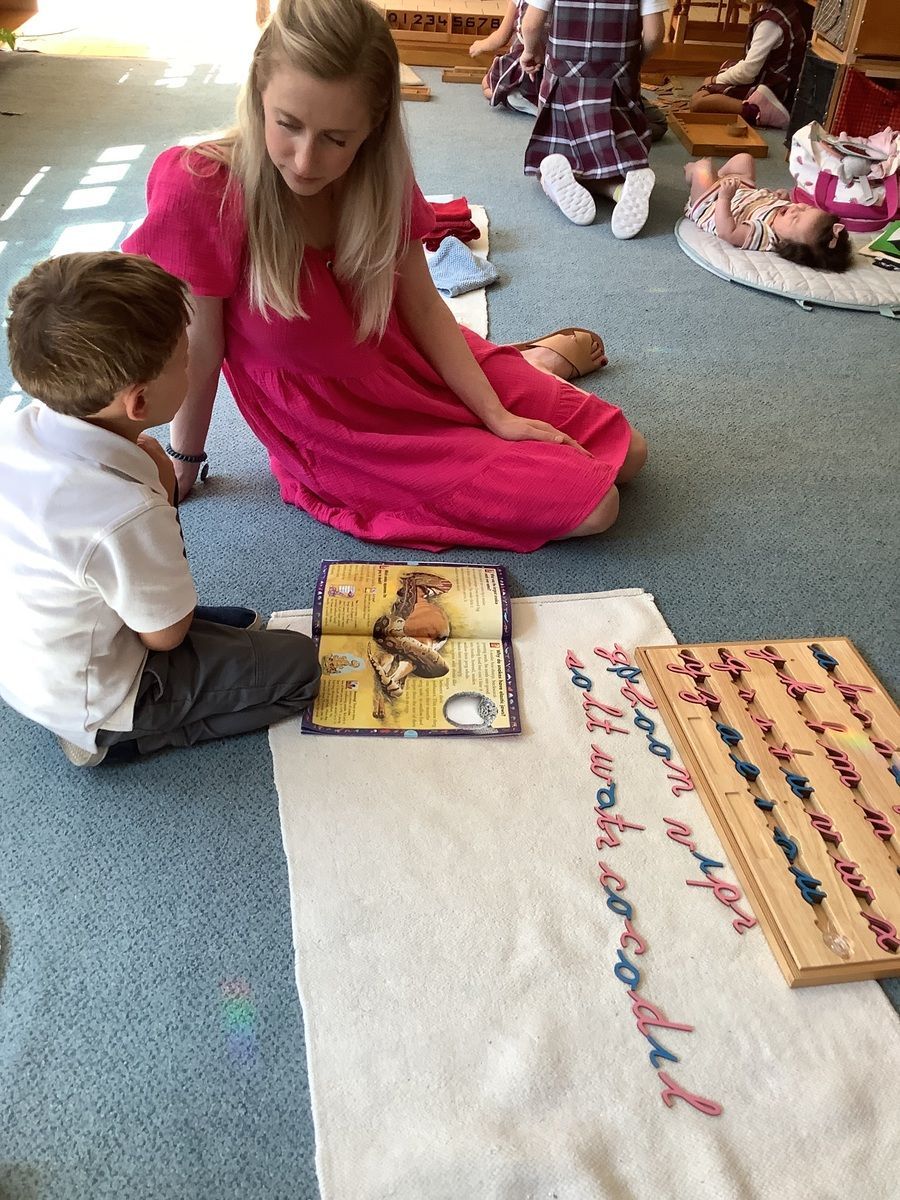
Schedule a conversation to share your home observations and hear their perspective on your child's classroom engagement. Collaborative communication between home and school is essential for supporting the child.
2. Explore the Learning Environment
Reflect on the educational approach: Is learning individualized to your child's pace, or rigid and standardized? Is movement integrated into the day, or restricted to brief periods? Are independence and critical thinking actively cultivated?
3. Prioritize Daily Movement
Children require regular, purposeful movement and unstructured outdoor time to support concentration, physical development, and emotional well-being.
4. Include Your Child in the Conversation
In an age-appropriate way, invite your child to share their thoughts and feelings about their learning environment, letting them know their voice is valued.
Experience Joyful Learning at MANJ
At Montessori Academy of New Jersey, our prepared environments and individualized learning cycles ensure that every child's innate love for learning is protected and nurtured.
Curious to see what engaged, joyful learning looks like in action?
We invite prospective families to observe our classrooms!
Schedule your campus visit.